Tobacco production helped fuel the economies of Virginia and North Carolina for hundreds of years, but now, with the industry long past its heyday, vacant tobacco warehouses and packing houses litter the East Coast. These buildings are ‘undead’. Not quite dead, but definitely not alive either. Thanks to creative reuse and renovation, however, many of these historic buildings have been brought back to life, with new identities and revitalized purpose.
Here are stories of six former tobacco buildings in Virginia and North Carolina, that now have new purpose as hotels, art centers and restaurants.
Tobacco Company Restaurant, Richmond, VA
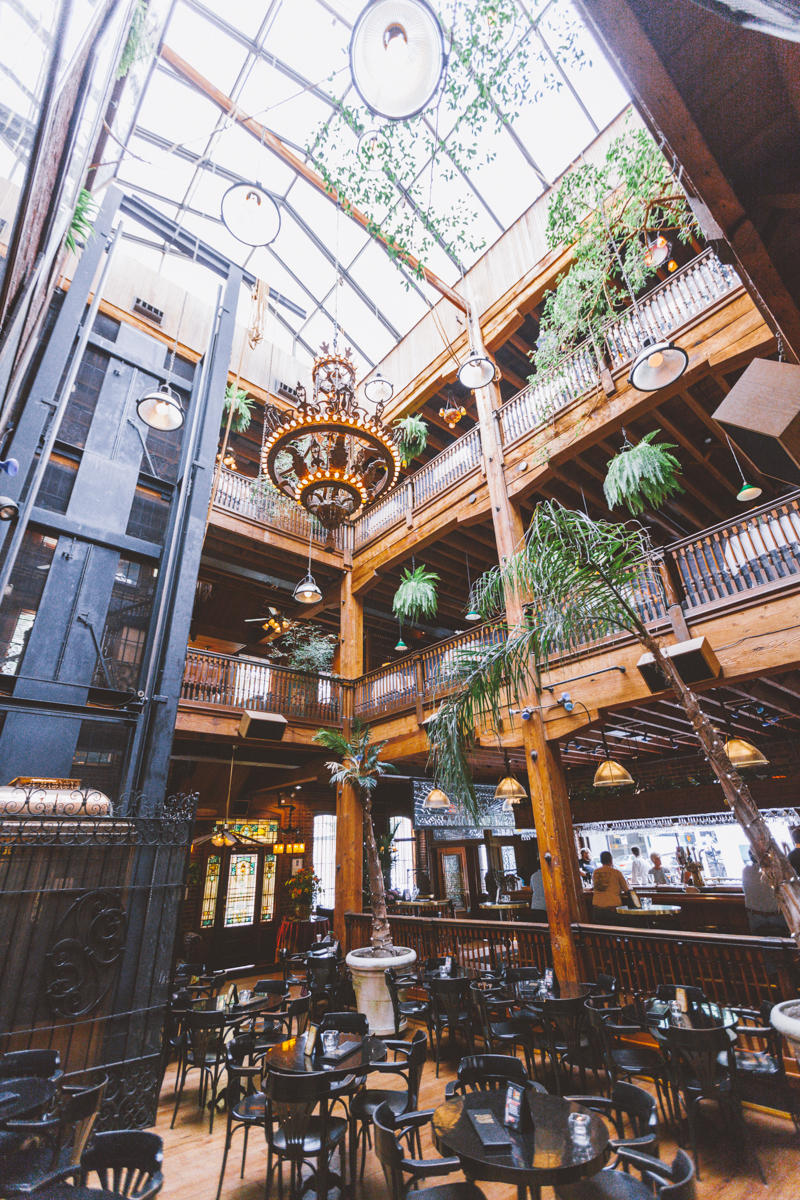
Housed in a former tobacco warehouse in Richmond’s Shockoe Slip district, the Tobacco Company Restaurant is a impressive example of salvaged history. As well as finding new use for the brick and mortar, the Victorian inspired dining interior features an walnut staircase rescued from Richmond’s St Luke’s Hospital, a bronze chandelier from a federal reserve bank and a hostess booth that was once a train ticket booth in Atlanta.
Photo: Belle Isle Craft Spirits https://www.belleislecraftspirits.com/
Bookbinders Restaurant, Richmond, VA
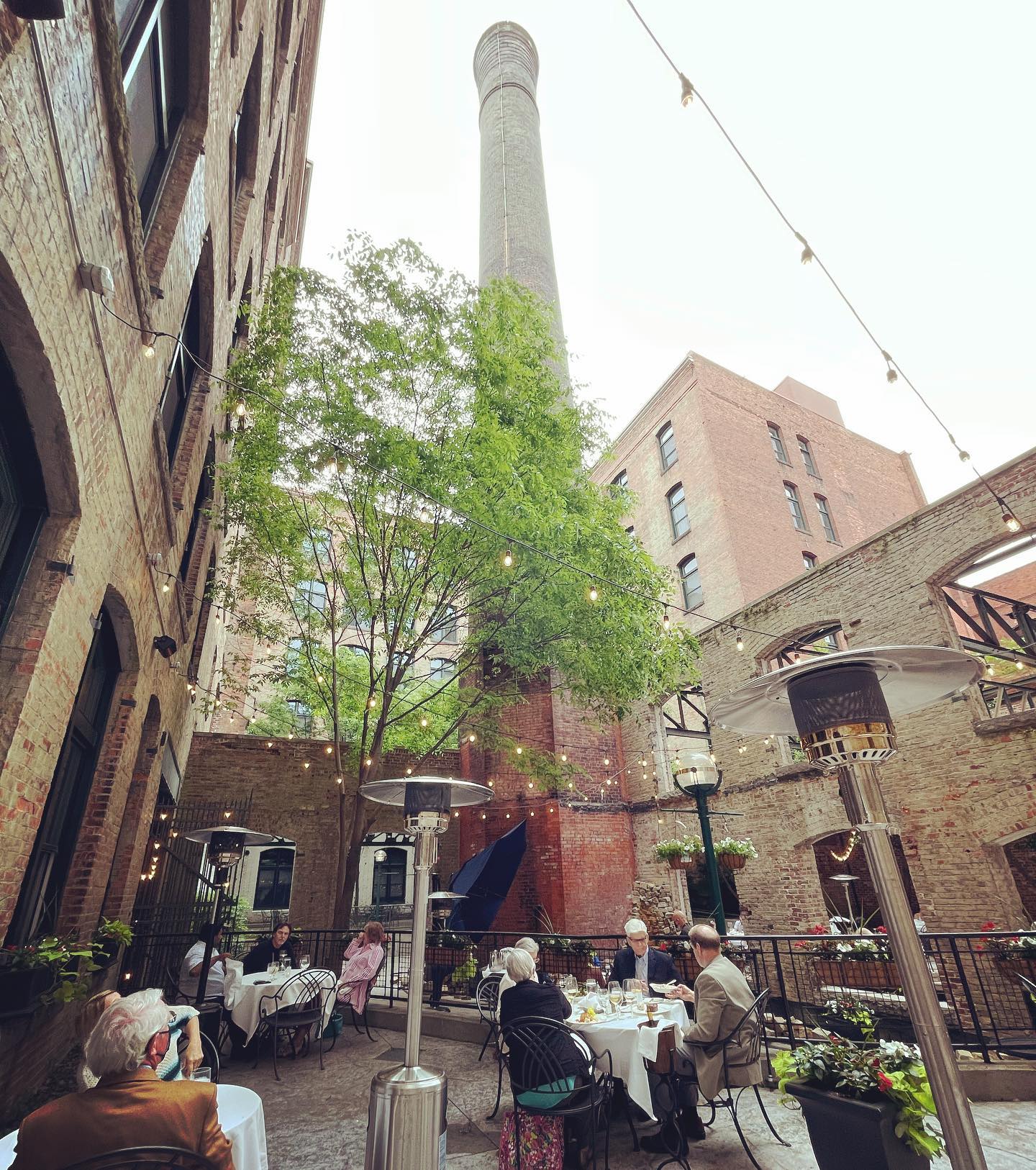
Three former tobacco company headquarters in Richmond were renovated in the mid-1990’s to become Tobacco Row, a mixed use development of apartments, offices and retail. Bookbinders Restaurant made use of the American Cigar Company building, originally built in 1901, and retains the industrial vibe with steel beams and exposed brick walls.
Photo: Bookbinder's Seafood & Steakhouse / Facebook
The Prizery Arts & Cultural Center, South Boston, VA
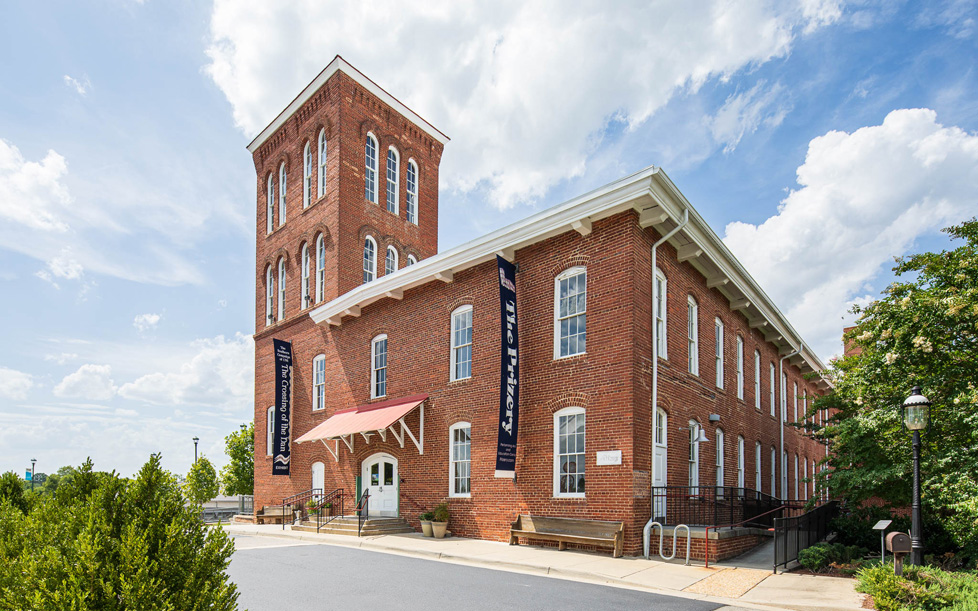
Prizeries were sites where tobacco was pressed into barrels, and this 1902 tobacco prizery in South Boston was given new life in 2002, when it was converted into The Prizery Arts Center. The Center includes a performing arts theatre, art gallery, classrooms, and an event space within the original four-story Italianate tower.
Photo: https://downtownsobo.com/
Charley’s Waterfront Cafe, Farmville, VA
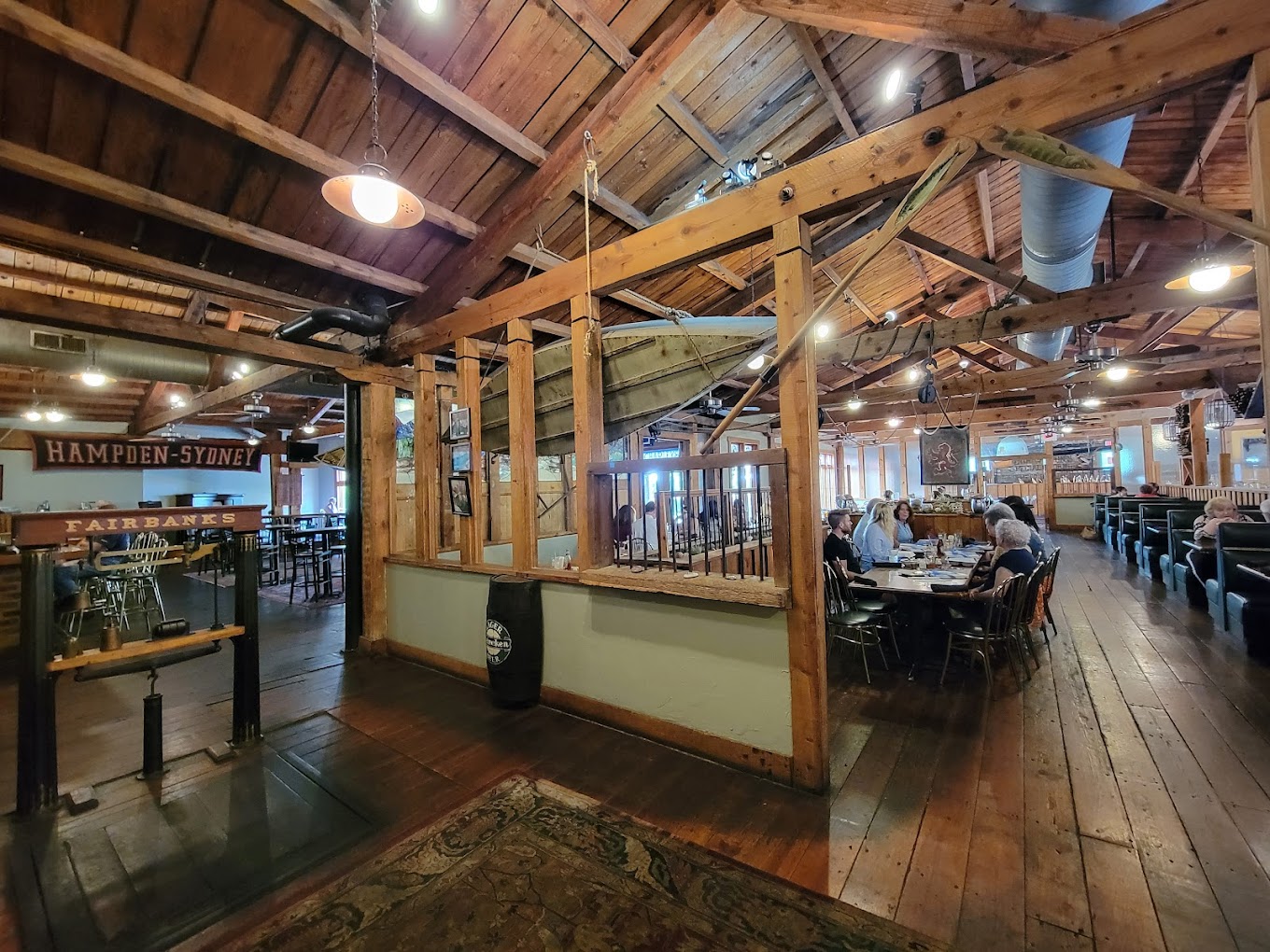
Farmville’s former tobacco warehouses were built around 1850, overlooking the Appomattox River. The building were renovated in the late 20th century an. Charley’s Waterfront Café & Wine Bar opened in 1994, in addition to reviving the warehouse, they also revived the local claim that the site served as a hospital during the Civil War.
Photo: Charleys / facebook
Cardinal Hotel, Winston Salem, NC
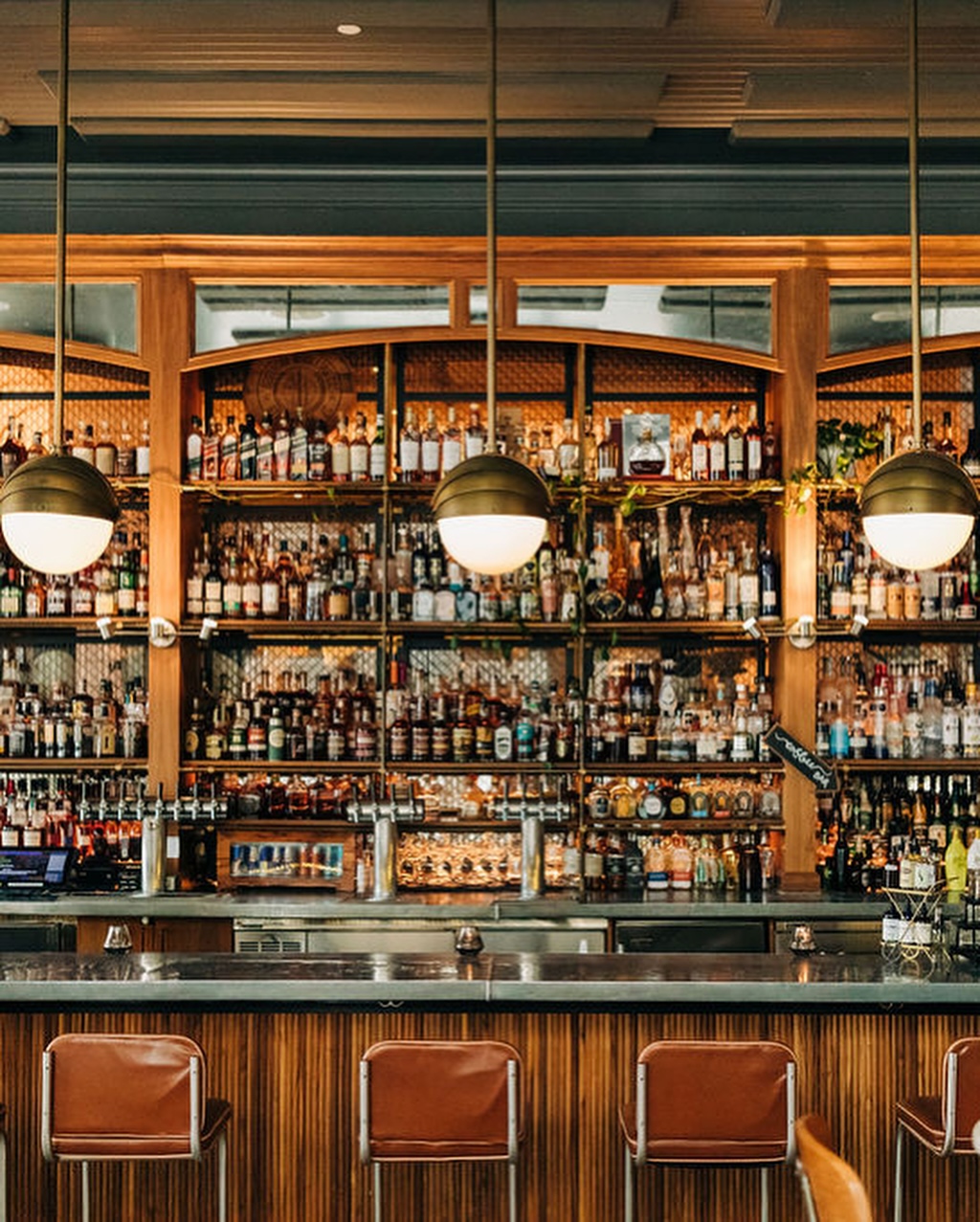
The art deco R.J. Reynolds Tobacco headquarters, built in 1929, is known as the inspiration for the Empire State Building, and even receives an annual ‘fathers day card’ from the building as a thank you. After the tobacco HQ closed in 2009, the building sat vacant tobacco until 2016, when it was transformed into the 174-room Kimpton Cardinal Hotel. Thanks to historical tax Credits, many historic features remain, including brass elevator doors and the gold and silver leaf ceiling.
Photo: Cardinal Hotel
Inner Banks Inn, Edenton NC
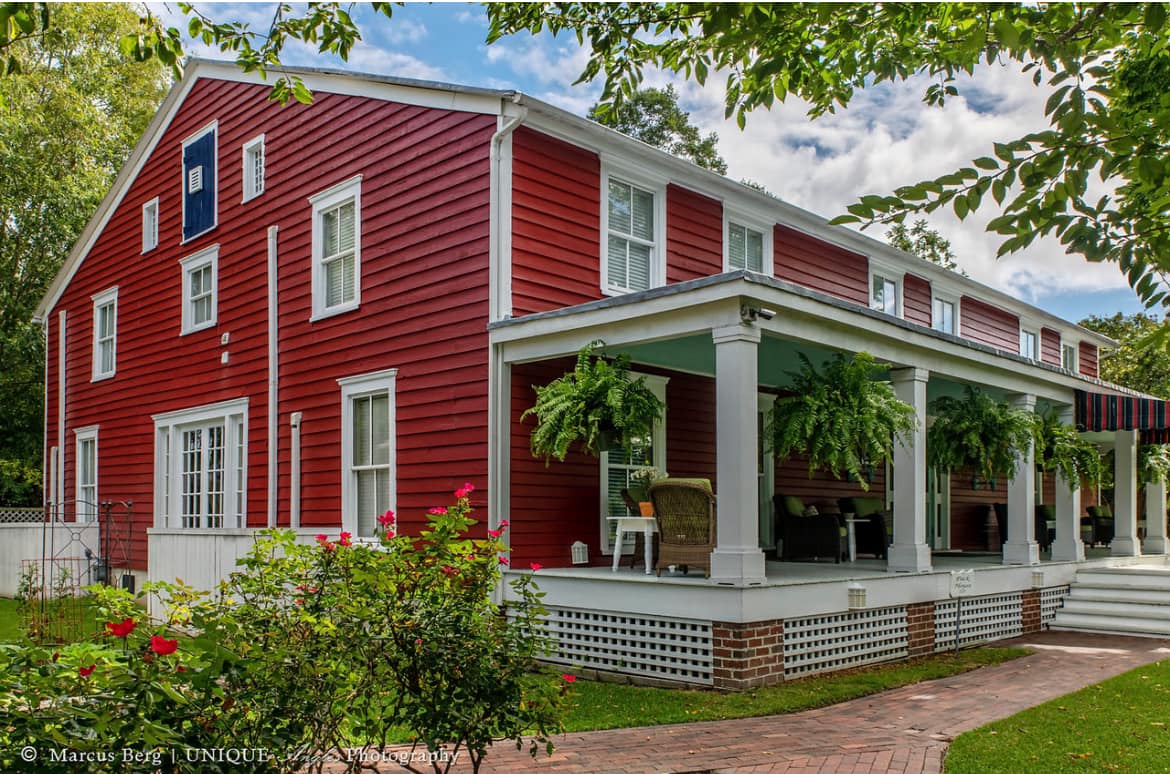
Originally the tobacco pack house at the 1785 Strawberry Hill Plantation in North Carolina, this converted 1915 barn is now one of four historic buildings at the Inner Banks Inn. The pack house, which was moved from its original home at the farm, now includes eight rooms with kitchenettes
Photo: Inner Banks Inn Facebook